



In the current UK property market, where house prices continue to soar, the idea of buying a home without a substantial down payment may seem unattainable. However, with the right strategies and understanding of available options, it is possible to become a homeowner with no money down1. This expert guide explores the various government-backed programs, first-time buyer assistance schemes, and creative financing methods that can help individuals achieve their dream of homeownership, even without a traditional deposit.
Key Takeaways
- Understand government-backed mortgage programs that offer zero-down payment options
- Explore first-time buyer assistance schemes that provide financial support
- Leverage the Right to Buy program to purchase your current rented property
- Strategize to build your credit score and gather the required documentation
- Research the property market and negotiate effectively to secure your dream home
Understanding Zero-Down Payment Home Buying Options
Aspiring homeowners in the UK have access to a variety of zero-down payment options that can make the dream of homeownership a reality. These innovative programs, including government-backed mortgage schemes and first-time buyer assistance, aim to bridge the gap for those who lack the substantial upfront deposit typically required.
Government-Backed Mortgage Programs
The Help to Buy and Shared Ownership schemes are two of the most well-known government-backed mortgage programs in the UK2. These initiatives provide opportunities for buyers to purchase a home with little or no down payment, making homeownership more accessible. For example, the Shared Ownership program allows individuals to buy a share of a property, typically between 25% and 75%, and then pay rent on the remaining portion.
First-Time Buyer Assistance Schemes
In addition to government-backed mortgages, there are also First-Time Buyer Assistance Schemes designed to help individuals take their first step onto the property ladder. The First Homes scheme, for instance, offers new-build homes at a minimum 30% discount, enabling first-time buyers to purchase a property with a smaller upfront investment3.
Right to Buy Programs
The Right to Buy scheme is another option that allows council tenants to purchase their homes at a discounted rate. This program aims to make homeownership more accessible for those who may have previously been priced out of the market2.
These innovative programs demonstrate the UK’s commitment to making homeownership more attainable, even for those with limited financial resources. By providing zero-down payment options and first-time buyer assistance, the government and various schemes are removing barriers and empowering more individuals to achieve their homeownership dreams.
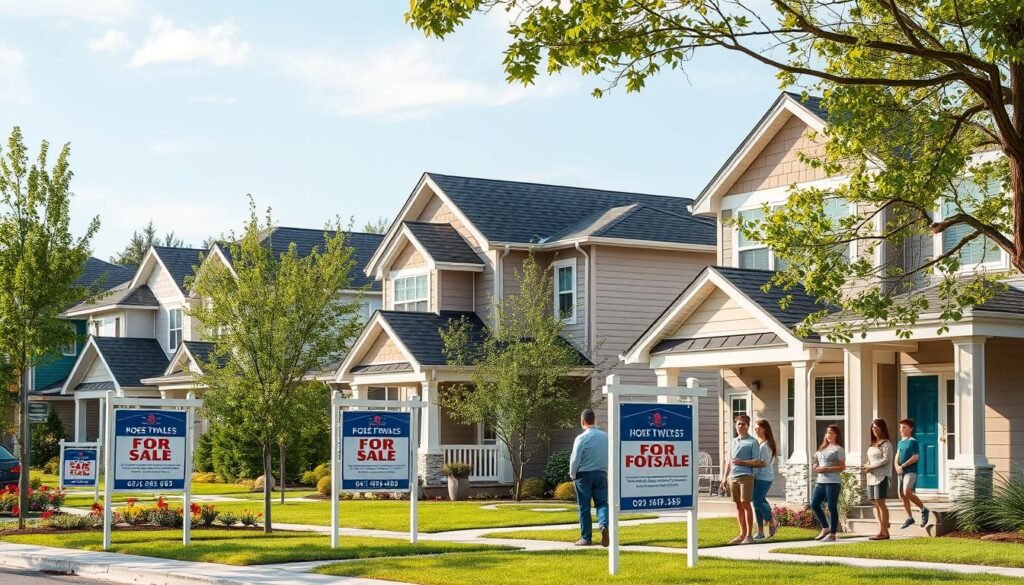
How Can You Buy a House with No Money
Buying a house without any upfront capital may seem challenging, but there are several innovative financing options available. One such strategy is seller financing, where the current homeowner acts as the lender, allowing you to make monthly payments directly to them instead of a traditional mortgage4. Another option is a rent-to-own agreement, where a portion of your rental payments go towards the eventual purchase of the property4.
For first-time buyers or those with limited savings, family assistance can be a game-changer. Some mortgage lenders allow parents or other family members to use their property or savings as a guarantee for the mortgage, enabling you to secure financing with no money down4. Additionally, building a strong credit score and demonstrating consistent income can improve your chances of securing a no-money-down mortgage4.
- Explore creative financing options like seller financing or rent-to-own agreements.
- Seek family assistance by having a relative use their property or savings as a mortgage guarantee.
- Improve your credit score and show steady income to increase your chances of a no-money-down mortgage.

“With the right approach and a bit of creativity, it’s possible to become a homeowner without a large upfront investment.”
Essential Steps to Prepare for No-Money-Down Purchase
Embarking on a home purchase with no money down may seem daunting, but a strategic approach can make it a viable option. The first critical step is to focus on building your credit score. A higher credit score can significantly improve your chances of approval and potentially secure better interest rates from lenders5.
Next, gather all the required financial documentation, including proof of income, tax returns, and bank statements. These documents will be essential in demonstrating your financial stability to potential mortgage lenders6.
- Obtain a mortgage pre-approval: This important step will not only provide a clear understanding of your budget but also strengthen your position as a serious buyer in the eyes of sellers6.
- Research and compare mortgage lenders: Explore various lender options, including banks, credit unions, and online platforms, to find the one that best suits your needs and offers the most favorable terms6.
By focusing on these essential steps, you can position yourself for a successful no-money-down home purchase. Remember, with the right preparation and guidance, the dream of homeownership can become a reality, even without a significant upfront investment5.
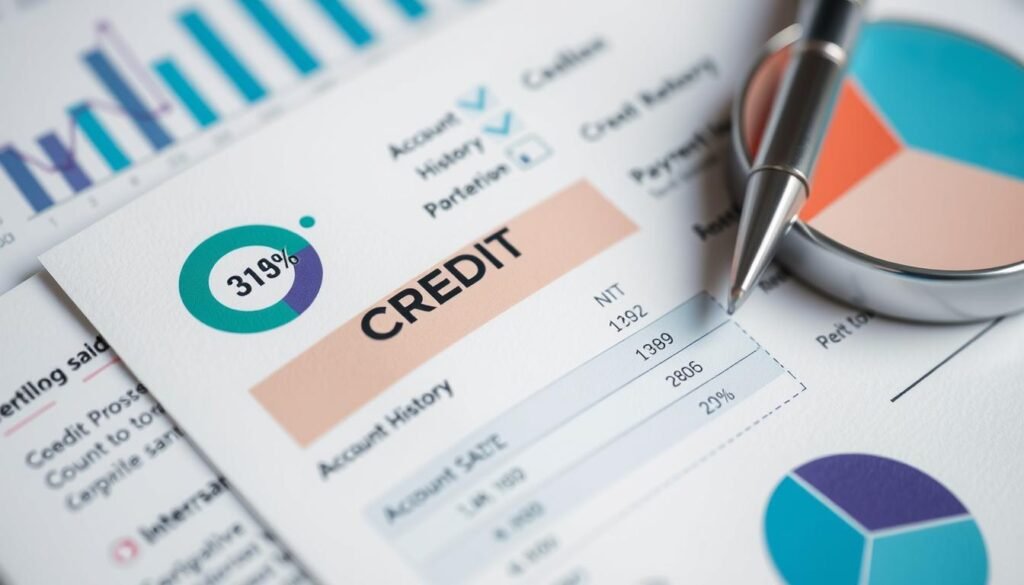
Building Your Credit Score
A strong credit score is crucial when applying for a mortgage with no money down. Lenders will closely examine your credit history to assess your creditworthiness and the level of risk you pose. By improving your credit score, you can increase your chances of approval and potentially secure better interest rates6.
Gathering Required Documentation
Preparing the necessary financial documentation is a critical step in the no-money-down home buying process. Lenders will typically require proof of income, tax returns, and bank statements to verify your financial stability and ability to make mortgage payments. Gathering these documents in advance can streamline the application process and demonstrate your commitment to the purchase6.
Finding the Right Mortgage Lender
Researching and comparing mortgage lenders is essential when seeking a no-money-down loan. Explore options from banks, credit unions, and online platforms to find the lender that offers the most favorable terms, such as lower interest rates and flexible repayment schedules6. Additionally, obtaining a mortgage pre-approval can strengthen your position as a buyer and provide a clear understanding of your budget6.
“With the right preparation and guidance, the dream of homeownership can become a reality, even without a significant upfront investment.”
Property Research and Negotiation Strategies
Buying a house with no money down requires meticulous property research and strategic negotiation tactics. Thorough market analysis is crucial to understanding local trends, evaluating property valuations, and identifying the right opportunity7. Researching the neighborhood, considering factors like school catchment areas, transport links, and infrastructure plans, can provide valuable insights that inform the negotiation process7.
When it comes to negotiation tactics, flexibility and compromise are key. Buyers should present their offer clearly, with all relevant information and a suggested timeline7. Being open to counteroffers and maintaining a level-headed approach can help navigate the negotiation process successfully7. Engaging a professional surveyor to assess the property’s condition and identify any potential issues can also strengthen the buyer’s bargaining position.
- Analyze local market trends, evaluating neighborhood characteristics and property values7.
- Consider factors such as school catchment areas, transport links, and infrastructure plans7.
- Negotiate strategically, presenting clear offers and being open to compromise7.
- Utilize a professional surveyor to assess the property’s condition and identify any potential issues7.
With a well-researched approach and effective negotiation tactics, buyers can secure a favorable deal and potentially overcome the challenges of purchasing a home with no money down7.
“Successful property negotiation is a delicate balance of research, strategy, and adaptability. It’s not just about the numbers, but the art of finding the right win-win solution for all parties involved.”
Navigating the Negotiation Process
8 It is recommended to start negotiations by offering between 5% to 10% lower than the asking price when making an offer on a house8. Sellers often market their properties for more than they would accept, taking into consideration offers below the asking price8. If a property has been on the market for a long time, there is a higher likelihood of successfully negotiating a lower price, especially if the asking price has dropped since being listed8.
9 Providing reasoning behind the offer is crucial for negotiation success, and avoiding round numbers during the offer presentation can be beneficial9. Additionally, building rapport with estate agents and understanding the specific needs of both the buyer and seller can lead to win-win negotiation situations97.
Conclusion
The homeownership journey can be challenging, but with careful planning and strategic use of available resources, it is possible to become a homeowner even with limited initial capital. Throughout this guide, we’ve explored various programs and strategies that can help aspiring homebuyers in the UK achieve their dream of property ownership without the need for a hefty down payment10.
As you embark on your homeownership journey, it’s crucial to prioritize financial planning and long-term investment considerations. Leveraging government-backed mortgage programs, first-time buyer assistance schemes, and right-to-buy initiatives can provide a pathway to homeownership that aligns with your financial capabilities11.
Remember, the road to homeownership is not without its complexities, and it’s essential to work closely with financial advisors and real estate professionals to make informed decisions. By understanding the nuances of the housing market, exploring various financing options, and preparing thoroughly, you can navigate the homeownership journey with confidence and set yourself up for long-term success12.
FAQ
What are the government-backed programs for buying a house with no money down in the UK?
The government-backed programs in the UK that allow for zero-down payment home buying include the Help to Buy and Shared Ownership schemes. The Right to Buy scheme also allows council tenants to purchase their homes at a discount.
How can first-time buyers in the UK obtain a home with no money down?
First-time buyers in the UK can benefit from the First Homes scheme, which offers at least a 30% discount on new-build homes, reducing the need for a large upfront deposit.
What are the alternative financing options for buying a house with no money down?
Alternative financing options for buying a house with no money down include seller financing, rent-to-own agreements, and obtaining assistance from family members. Some mortgage lenders also allow parents to use their property or savings as a guarantee for the mortgage.
What steps should I take to prepare for a no-money-down home purchase?
To prepare for a no-money-down home purchase, you should focus on improving your credit score, gathering the necessary financial documents, and researching suitable mortgage lenders. Obtaining a mortgage pre-approval can also strengthen your position as a buyer.
How can I effectively research and negotiate a no-money-down home purchase?
Thorough property research is crucial when buying with no money down. This includes analyzing local market trends, evaluating neighborhood characteristics, and assessing property values. Effective negotiation strategies can help secure a favorable deal, potentially including seller concessions or assistance with closing costs.